Discover Phuket: The Pearl of the Andaman Reimagined
Welcome to the official Trade and Tourism Thailand (TTT) Taskforce guide to Phuket. Known worldwide for its stunning coastlines and luxury resorts, Phuket is evolving. We invite you to experience a new side of this iconic island—one that champions sustainable practices, marine conservation, and authentic community engagement.
The Location
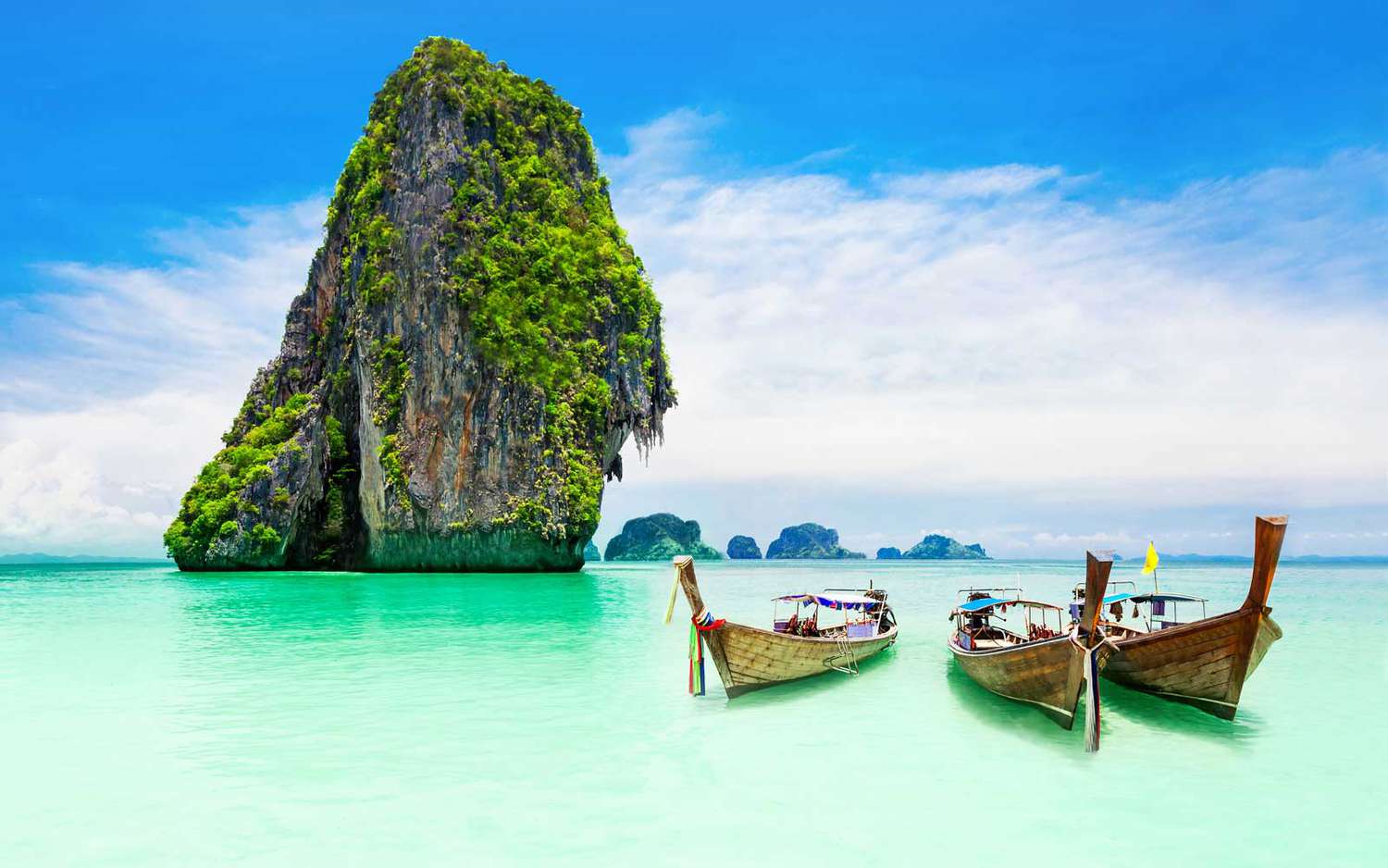
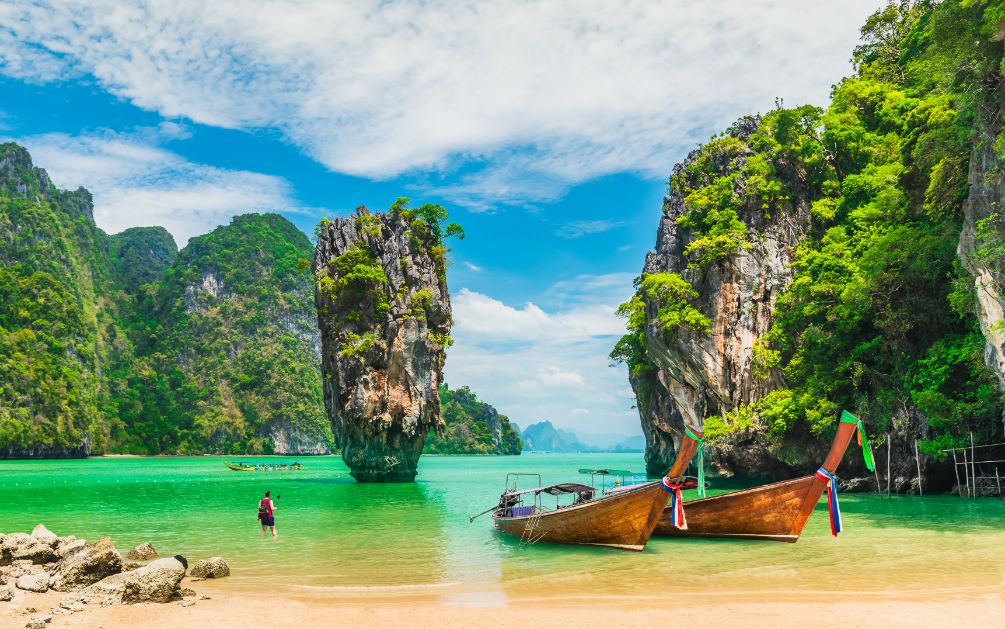
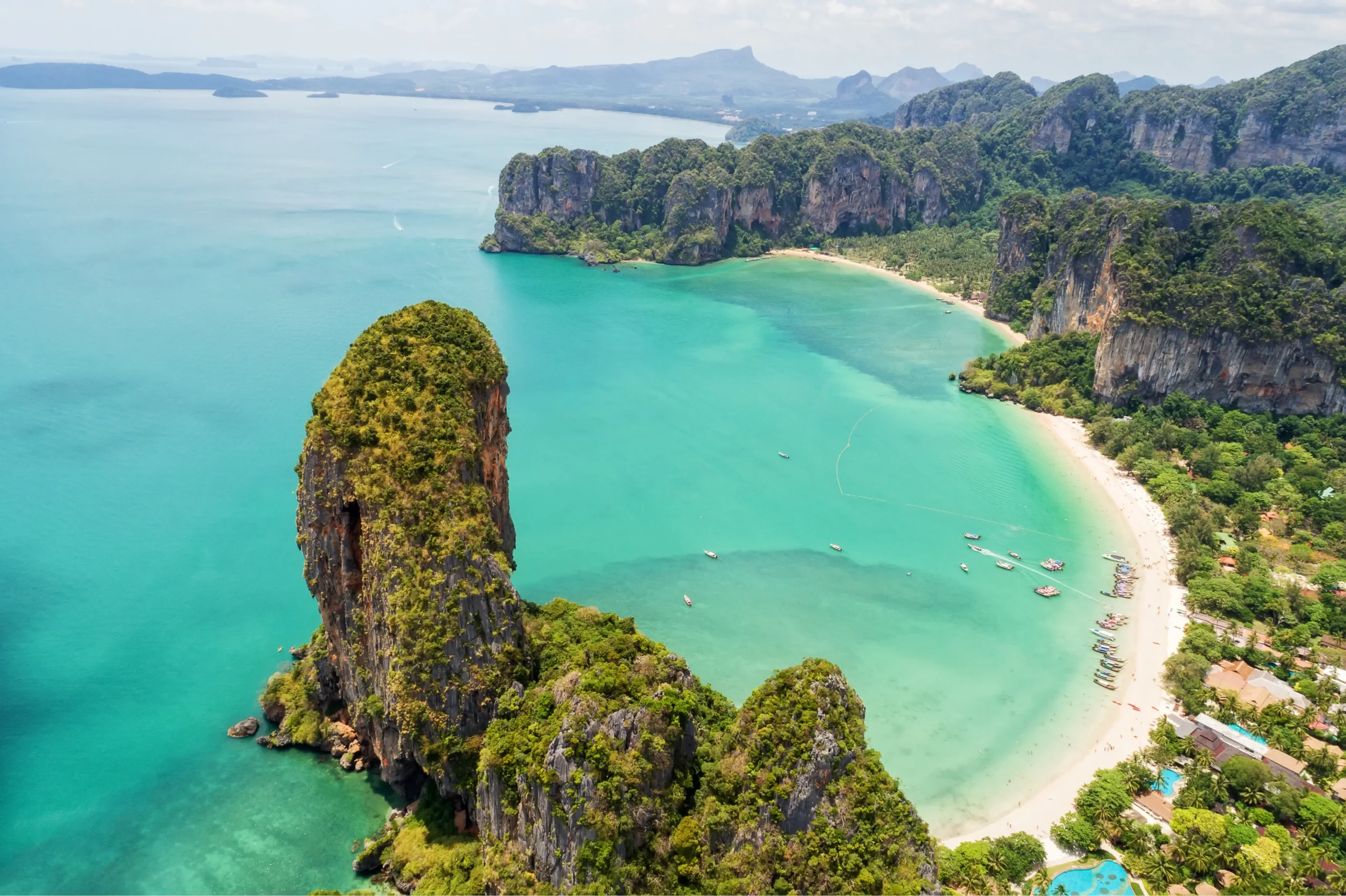
Located in the Andaman Sea off the southwest coast of Thailand, Phuket is the country’s largest island. It is easily accessible via Phuket International Airport, which connects directly to major global hubs, including Australia. While its western coast is famous for expansive sandy beaches and lively resorts, the eastern and northern parts of the island offer hidden mangrove forests, traditional fishing villages, and tranquil national parks.

The Story
Phuket’s history is a rich tapestry woven from centuries of maritime trade. The island was a major stop on the trading routes between India and China, which brought a unique blend of cultures—most notably seen in the Sino-Portuguese architecture of Old Phuket Town.
For decades, Phuket has been synonymous with mass tourism and beach holidays. However, the TTT Taskforce and local organizations are writing a new chapter. Today, Phuket is leading a powerful shift toward Community-Based Tourism (CBT) and sustainable luxury. By focusing on waste reduction, coral reef restoration, and empowering local communities like those in Bang Rong and Phuket Old Town, the island is proving that world-class hospitality can thrive in harmony with environmental conservation.
What to Do
- Kayak the Mangroves of Bang Rong: Step away from the crowded beaches and visit the Bang Rong Community in northeastern Phuket. Here, you can kayak through sprawling mangrove forests—vital ecosystems that protect the coastline and house diverse wildlife. Guided by local residents, you can even participate in mangrove replanting initiatives. This is community-based tourism at its best, where your visit directly supports the local economy and environmental conservation.
- Explore the Heritage of Phuket Old Town: Spend an afternoon wandering the vibrant streets of Phuket Old Town. Admire the beautifully preserved Sino-Portuguese buildings, which reflect the island’s rich trading history. Support the local community by dining at small, family-run cafes and purchasing authentic, handmade souvenirs from the Sunday Walking Street Market, ensuring your travel dollars support local artisans rather than mass-produced imports.
- Support Ethical Marine and Wildlife Conservation: Phuket’s natural beauty extends beneath the waves and into its jungles. Choose to visit ethical conservation centers like the Mai Khao Marine Turtle Foundation, which works to protect nesting sea turtles, or the Phuket Elephant Nature Reserve, where you can observe rescued elephants in a safe, ethical environment without riding or exploitation. You can also participate in community beach clean-ups, leaving the island cleaner than you found it.
- Choose Sustainable Accommodation: Your choice of where to stay has the biggest impact on the island’s environment. Phuket offers an increasing number of eco-resorts and green hotels that utilize renewable energy, eliminate single-use plastics, and source their food locally. For a truly immersive cultural experience, consider a local homestay, where you can learn to cook traditional Southern Thai dishes and experience the genuine warmth of Phuketian hospitality.

Leave a Reply